

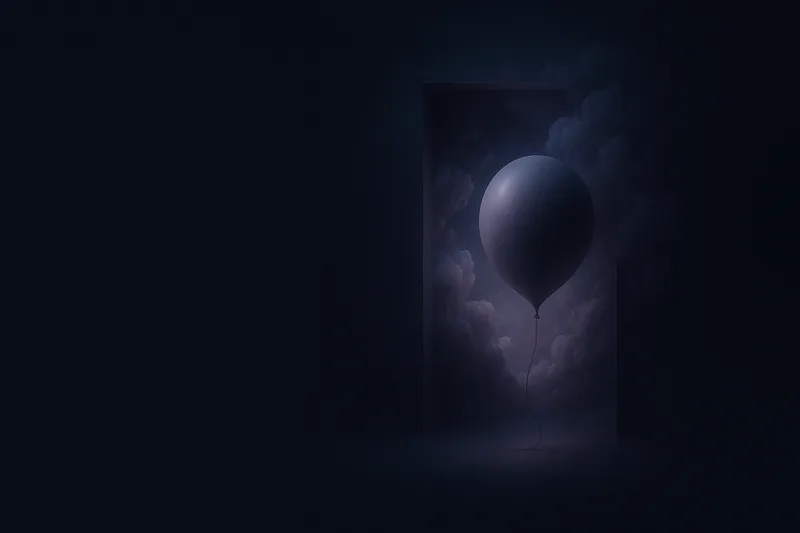
Balloons in Dreams: Uplift, Letting Go, and The Risk of Bursting
Explore balloons dream meaning with psychological, spiritual, and cultural angles. Learn why balloons appear in dreams and how context shapes interpretation.
Explore balloons dream meaning with psychological, spiritual, and cultural angles. Learn why balloons appear in dreams and how context shapes interpretation.
Balloons carry contradictions. They are light and festive, yet they can startle us when they burst. They rise upward, but they depend on a thin membrane that can fail without warning. That mix of delight and risk is why balloons make such striking dream symbols. They can mirror the high of new plans, the pressure of expectations, or the fear that something will go wrong right when it looks bright.
If you wake from a balloon dream smiling, you are not alone. The image can bring back birthday memories, a graduation, a parade, or a first date. For other people, the scene carries a quiet ache. A balloon slipping from your fingers into the sky can feel like loss you could not stop. Any of these responses is normal. Dreams meet us where we live, not where we wish we were.
Meaning depends on context. A single white balloon drifting through your living room means something different than a room packed with balloons at work, or a red balloon that pops the moment you touch it. Your emotions in the dream matter, the people involved matter, and your real life right now matters. This guide offers possibilities, not fixed answers. You get to decide what fits.
Dreams About Balloons: Quick Interpretation
At a glance, balloons in dreams often point to uplift, celebration, or the wish to rise above a situation. They can stand for goals that are buoyed by excitement. They also hint at the limits of inflation. What you pump up must be held and cared for, or it thins and bursts. Balloons can also suggest play, childlike pleasure, or nostalgia.
If the dream felt tense, the balloon may be a warning about pressure. Too much expectation can leave you on edge, waiting for a pop. A deflated balloon can express fatigue after a push, a project that lost steam, or a relationship that once felt bright but now needs air, support, or honesty.
When balloons float away, the dream can show ambivalence about letting go. Part of you wants relief. Another part wants control. If you tried to chase the balloon, notice whether you felt foolish or determined. If you let it rise and felt peace, you may be ready to trust what you cannot hold forever.
- Most common themes:
- Rising hope or optimism
- Pressure building, fear of bursting
- Letting go, release of control
- Celebration, milestones, public moments
- Childlike joy, play, or nostalgia
- Attention seeking or visibility
- Fragility of plans or image
- Change of perspective, seeing from above
- Transience, beauty that does not last
If you only remember one thing, track the emotion in your body as the balloon moves. That feeling is your compass.
How to Read This Dream: A Three-Lens Method
Use three lenses to interpret balloon dreams in a grounded way.
Lens A, Emotional tone. Before looking for meaning, name how you felt while the balloon appeared. Excited, nervous, embarrassed, proud, relieved, sad. Emotions are the headline. If the balloon popped and you felt relief, that is different from panic.
Lens B, Life context. What in your week feels inflated, precarious, or ready to rise. New responsibilities. A fresh relationship. A presentation. Money plans. A change in health routines. Think about celebrations too. Sometimes the mind rehearses joy or anxiety around being seen.
Lens C, Dream mechanics. What exactly happened. Who held the string. Did you tie the knot. Was the balloon filled with helium, air, or something else. Did it drift into a ceiling fan or snag a branch. Small mechanics make big meanings.
Questions to help you work the lenses:
- What single moment in the dream felt strongest in your body.
- Did the balloon’s movement feel guided or random.
- Who had control, and did you want that control.
- Was the setting public or private, and how did that change your comfort.
- Did you worry about a pop, or did it happen suddenly.
- What real plan or feeling right now is most like a thin membrane holding pressure.
- Did anyone else care about the balloon, or were you alone with it.
- If a color stood out, what personal meaning does that color carry for you.
- After waking, did you want to recreate the dream feeling or avoid it.
Modern Psychological Lens
From a contemporary psychological view, balloon dreams sit at the crossroads of excitement and threat. They gather themes of pressure, control, exposure, and the wish to rise above difficulties. Balloons are visually simple, which makes them perfect containers for complex emotions. Your brain uses them to rehearse scenarios and regulate feelings.
Stress and pressure. A balloon that keeps expanding can mirror deadlines, social expectations, or self-imposed perfection. Many people over-inflate hopes or schedules. The fear of a pop is the fear of being found out, letting others down, or letting yourself down.
Avoidance and release. A balloon slipping from your hand can show your ambivalence about control. Letting go can be a loss. It can also be relief. The mind may be practicing the feeling of loosening grip before doing it in real life.
Boundaries and identity. Balloons have clear boundaries, a membrane that holds shape. When a balloon crinkles or deflates, the dream can reflect fatigue, identity shifts, or the end of a phase. After big pushes, the mind often stages a soft landing through deflation imagery.
Change and novelty. Balloons take you upward. That elevation can feel like promotion, recognition, or a move. It can also produce vertigo. Dreams test whether the new height feels safe.
Attachment and memory. Balloons are often linked to childhood. They can evoke simple pleasures or old disappointments, like losing a balloon at a fair. Your brain may replay those memory fragments when current events stir similar feelings.
Importantly, none of this acts as a diagnosis. Dreams speak in metaphors that vary by person. Treat them as meaningful data, not proof.
Here is a compact map you can use.
| Dream feature | Often points to | Try asking yourself |
|---|---|---|
| Balloon expanding | Building pressure, rising expectations | Where am I pushing growth without enough support |
| Sudden pop | Fear of failure, relief at ending pressure | If this ended now, what would I gain and lose |
| Balloon slipping away | Letting go, loss, trust issues | What am I afraid to release, and what would space allow |
| Many balloons in a crowd | Public celebration, visibility anxiety | How do I feel about being seen right now |
| Deflated or wrinkled balloon | Burnout, natural ending, grief | What needs rest, closure, or honest re-inflation |
| Holding a string tightly | Control, responsibility, caretaking | What am I trying to hold together, and why |
This table offers prompts, not verdicts. Use it to steer reflection toward the situations that matter most right now.
Archetypal and Jungian View, One Perspective
From a Jungian angle, which is one lens among many, the balloon can symbolize the airy principle, ideas and aspirations that rise above the heaviness of daily life. Air relates to thinking, communicating, and imagination. The string is the tether, the connection to earth and the body. A core question becomes how you balance ascent and grounding.
Archetypes are recurring patterns, not fixed meanings. The Child archetype appears often around balloons, inviting play and openness. The Persona may appear as a bright balloon shown to others, a social mask presented at parties and milestones. The Self may be hinted at in dreams where a single balloon floats toward a light source, suggesting a pull toward integration or meaning.
The shadow side shows up in overinflation, pride, or inflated certainty. A balloon that pops at a crucial moment can express fear of humiliation or the collapse of an image. Jung wrote about holding tensions between opposites. With balloons, that might be the tension between ascent and weight, image and essence, celebration and transience.
You might notice animals or figures related to air. Birds, high windows, kites. If they appear, they can deepen the theme of perspective. If the balloon is made of unusual material or is impossibly large, the dream may be signaling an archetypal scale, where personal concerns connect to larger patterns of hope and fragility in life.
Approach this lens with curiosity. Archetypal readings are invitations to play with meaning, not to lock in a single reading.
Spiritual and Symbolic Meanings
Spiritually, balloons often point to transformation through lightness. They can symbolize prayers rising, wishes offered to the sky, or a soft release of burden. Rituals of change sometimes use physical acts that mirror letting go. In a dream, a balloon can stand in for that gesture. Your mind might be rehearsing a sacred release before you take a step in waking life.
Balloons also speak to impermanence. They are beautiful, yet temporary. Wisdom traditions across the world remind us that clinging tightly often increases suffering. A balloon rising out of reach can be a tender image of trust. If you felt peace, the dream may be blessing a process that cannot be forced.
If grief is present, the balloon can become a transitional object, a way your psyche holds a connection while also allowing change. Colors may carry personal or communal meanings. White for remembrance, gold for gratitude, blue for calm. It varies by culture and by person.
A gentle framing: balloons in dreams can be the breath of life given shape, then released without rancor or regret.
Without claiming dogma, note whether the dream invited you to say a word of thanks, to offer a name, or to breathe out. Small rituals after waking, like lighting a candle or writing a blessing, can help integrate the feeling.
Cultural and Religious Overview
Symbols move differently across cultures. Balloons are modern objects, yet they connect to older themes of air, breath, celebration, and skyward offerings. Meanings vary with local customs, holidays, and stories. Some communities use balloons in public celebrations. Others prefer different symbols for joy or remembrance.
This section offers a respectful summary of common themes among several traditions. It does not claim that all believers or all regions share the same views. Each tradition holds internal diversity. Local practices and personal histories matter.
As you read, focus on what resonates with your background or values. If a frame does not fit you, set it aside. Dreams are intimate. Your context matters most.
Christian and Biblical Angles
The Bible does not mention balloons. Still, Christians may interpret balloon dreams through themes present in scripture, such as breath, spirit, humility, and celebration. The Hebrew and Greek words often translated as spirit also mean breath or wind. A balloon filled with air can suggest life animated by breath. When it rises, some Christians see hopes lifted in prayer.
If the dream shows a balloon bursting, one reading connects to the biblical caution against pride and inflated self-regard. Proverbs and the letters in the New Testament speak often about humility and the dangers of boasting. A pop can symbolize a none-too-subtle correction, not as punishment, but as a return to honest scale.
Celebration is also central. Feasts, weddings, and communal joy run through scripture. Balloons at a party in a dream can reflect longing for fellowship or gratitude for a milestone. If isolation is part of your life right now, the dream may be inviting you to seek connection in your congregation or community.
Letting go can take a devotional tone. Releasing a balloon in a dream may feel like placing a concern into God’s hands. Some people wake with a nudge to pray, to surrender anxiety, or to forgive. Colors and numbers may echo personal or local church meanings, such as white for purity or purple for Lent, though these are not universal and should be applied gently.
Common angles:
- Breath and Spirit, life given and sustained
- Humility after overinflation
- Communal joy and celebration
- Surrender, placing burdens before God
- Childlike faith and play
Islamic Perspectives
Classical Islamic dream interpretation grew alongside a rich tradition of reflection, though balloons as objects are modern. Themes related to air, ascent, intention, and restraint can help frame a balloon dream. Breath and balance are meaningful in many Muslim practices, from the cadence of recitation to the discipline of prayer.
A balloon rising may point to aspirations or dua, requests lifted to God. If the ascent felt peaceful, some dreamers take this as encouragement to continue sincere efforts without vanity. If the balloon felt showy or unstable, the dream may caution against riya, performing for others. The thin membrane may symbolize the need for sincerity and modesty, qualities that hold intention together.
A pop can represent the shortness of dunya, worldly display that fades. In some cases it reflects the relief of ending pressure that was not healthy. A deflated balloon might point to low morale, a test of patience, or the need to renew intention. Releasing a balloon can feel like tawakkul, trusting God while acting responsibly.
Community settings matter. Balloons at a wedding or Eid celebration in a dream may echo joy and togetherness. If the dream carried worry about waste or harm, it may be a nudge toward stewardship and care for creation, values present in many Muslim discussions about daily life.
Common angles:
- Aspirations lifted with sincerity
- Caution against vanity or showing off
- Acceptance of worldly transience
- Trust and reliance on God
- Joy in community with mindful restraint
Jewish Perspectives
While balloons are not traditional symbols in classical Jewish texts, the themes they carry connect with Jewish thought. Breath and spirit are set at the beginning of life stories. The sense of rising can echo the call to elevate everyday actions through intention, a core aim of many practices.
A balloon tied to a child’s wrist in a dream may highlight the balance of joy and responsibility, simchah matched with mitzvah. If the dream took place around a celebration, such as a bar or bat mitzvah atmosphere, the balloon may reflect hopes for growth, learning, and communal belonging.
A sudden pop can point to the dangers of inflated ego, often discussed in ethical writings. It can also reflect the safety of honest limitation. Deflation might connect to sabbath rest, the weekly exhale that guards against constant striving. If grief is present, a balloon rising may feel like a yahrzeit memory, a gentle honoring, though traditional remembrance practices vary widely, and many communities prefer other forms of tribute.
Some people wake with a desire to mark transition. Writing a note and placing it somewhere meaningful, giving tzedakah, or sharing a meal can serve the same purpose as a released balloon without environmental harm. The dream becomes a starting point for values in action.
Common angles:
- Elevating daily life through intention
- Guarding against ego inflation
- Rest and renewal after pressure
- Education, growth, and belonging
- Ethical action sparked by a symbolic image
Hindu Perspectives
In Hindu contexts, balloons may resonate with ideas of prana, breath, and the movement of energy. The airy quality can align with vayu, the wind principle. A balloon rising may reflect sattvic lightness, a state of clarity and uplift, while an overinflated balloon may suggest imbalance or agitation that needs grounding through routine, nourishment, or practice.
Festive scenes with balloons can echo the joy of community gatherings. If a deity image or temple setting appeared alongside balloons, the dream might be blending modern celebration with devotional feeling. Personal bhakti can carry playful tones, so a childlike balloon presence might point to affection and ease in relationship with the divine.
A pop can symbolize the burst of illusion, the sudden recognition that a projection does not match reality. This is not always harsh. It can be freeing. A deflated balloon might point to tamasic heaviness, a pull toward inertia. The dream could be nudging you toward small acts of balance, such as a morning walk, breathwork, or a regular schedule.
Letting go has many expressions. Releasing a balloon can mirror the teaching of non-attachment while honoring love. If the dream leaves you softer, you might bring that feeling into a simple offering, a candle, a flower, or a few minutes of mantra as a way to integrate the insight.
Common angles:
- Breath and prana, lightness and balance
- Joyful devotion and play
- Seeing through illusion with kindness
- Non-attachment expressed through gentle release
Buddhist Perspectives
Balloons speak clearly to impermanence. In a Buddhist frame, their rise and pop show how forms appear and pass. Clinging tight can bring suffering, while mindful contact can bring ease. If you felt anxiety around the balloon, the dream may be showing how craving and aversion operate in your body.
A peaceful ascent might indicate qualities of lightness that come with ethical living and wise attention. A balloon that floats away can be a direct image of non-grasping. The feeling in your chest during that moment matters. If it felt like relief, that is valuable feedback about your relationship to control.
A pop can feel like insight. Not a punishment, but a moment when a bubble of thought bursts. After such dreams, some people find it helpful to sit quietly and notice breath, or to offer friendliness to the parts of themselves that fear loss. A deflated balloon might point toward compassion for fatigue, a cue to rest.
If community was present, the dream may be highlighting the support of sangha. Joy shared is lighter to carry. Even a solitary balloon can be a reminder of interdependence. It holds air you did not make, in a form you did not design. This can soften self-judgment and invite gratitude.
Common angles:
- Impermanence and non-grasping
- Lightness from ethical conduct and attention
- Insight as a gentle burst of illusion
- Compassion and community support
Chinese Cultural Angles
In Chinese cultural settings, balloons appear mainly as modern festive items, yet they intersect with older ideas about air, vitality, and auspicious color. Red often signals happiness and celebration in many regions. A red balloon in a dream at a wedding-like scene may echo wishes for luck and joy. Gold and yellow can carry imperial or festive connotations in some contexts, while white may connect with mourning in certain traditions, though modern meanings vary across communities.
The act of rising aligns with the idea of lifting one’s prospects. If the balloon drifted toward the sky and the dream felt positive, it can suggest upward momentum. If you felt uneasy, it might reflect worry that progress lacks grounding. The string then becomes a practical symbol, a reminder of restraint and planning.
A pop can warn about face. Losing face, or fearing embarrassment, is a real pressure for many people. A balloon that bursts during a public moment may reflect anxiety about reputation. The dream might be encouraging preparation, humility, and a second plan so that joy does not hinge on flawless performance.
Family scenes often carry weight. Balloons around grandparents or children can indicate cross-generational hopes. If the dream left you thoughtful, consider a simple gesture toward harmony, like a shared meal or a call to a relative. Dreams sometimes nudge us toward relational repair as the true celebration.
Native American Perspectives
There is no single Native American viewpoint. Traditions are diverse, with different languages, lands, and ceremonial practices. Balloons are also modern objects. Still, some themes may resonate in ways that respect this diversity.
Air, breath, and sky are meaningful across many Indigenous cultures, often in relation to balance, kinship with the natural world, and gratitude. A balloon’s movement through air can be read as a playful echo of wind and bird paths. If your dream included a specific landscape, animal, or ancestral presence, that context carries far more meaning than the balloon itself.
If the balloon popped and you felt alarm, the dream may reflect concerns about fragility and waste. Some people feel a tension around balloons and the environment. Your dream might be mirroring a value of stewardship. Releasing a balloon in waking life can have environmental risks, so the dream could be offering a symbolic release instead of a physical one.
If community or family rituals appeared, consider the teachings you have learned from your own relatives and culture keepers. Meanings that arise from your lived tradition deserve priority. The most respectful approach is to use the dream to deepen commitments to balance, care, and relationship.
Common angles:
- Breath and wind as living forces
- Playful movement within respect for land and life
- Fragility and stewardship
- Family context and ancestral relationship
African Traditional Perspectives
African traditional religions and cultures are vast and varied. Dreams hold importance in many communities, yet there is no single interpretation for modern objects like balloons. Even so, shared themes of life force, community, celebration, and ancestors can shape how a balloon dream feels.
A balloon lifted by breath can echo ideas of vital force. Celebrations with drums, dance, and color are key in many regions. A dream filled with bright balloons might mirror communal joy or the longing for gathering. If the dream took place in a family compound or market, social ties and obligations may be the real subject.
When a balloon pops in a public setting, it can signal concerns about respect, reputation, or harmony. If the pop felt like a release, the dream might suggest clearing tension so relationships can reset. If it felt shaming, it might reflect fear of public error and the need for support from elders or peers.
Offerings and remembrance practices vary across cultures. If you woke with a desire to honor an ancestor or to seek guidance, consider the practices that are appropriate in your family and community. The balloon can be a modern stand-in for older forms of symbolic uplift or release.
Common angles:
- Life force and breath
- Communal celebration and belonging
- Reputation and harmony
- Remembering and honoring within one’s tradition
Other Historical Parallels
Ancient Greeks and Egyptians did not have latex balloons, yet their symbolism helps frame the dream image. In Greek thought, air and pneuma referred to breath and soul. The floating quality of a balloon aligns with elevation of thought, the pull toward the divine, or the risk of hubris, overreaching pride. Icarus rising too high is not a balloon story, but the theme overlaps.
Egyptian symbolism often linked the sky with gods and the journey of the sun. Objects rising toward the heavens carried messages about renewal and cycles. A balloon drifting upward can echo those themes in modern dress, especially if it rises at dawn or near a radiant light in your dream.
In medieval Europe, festivals and feast days offered visual markers of joy. Streamers, lanterns, and banners served roles that balloons play now. If your dream set felt historical, your mind might be blending the old language of public celebration with a modern object, asking the same question. How do we mark a moment together, and what do we fear when we are seen.
Scenario Library
This library groups common balloon scenarios by theme. For each, consider which parts match your experience, then adjust for your details and feelings.
Rising, Chasing, and Letting Go
A balloon slips from your hand and drifts away
Common interpretation: This often reflects ambivalence about control. Part of you longs to hold on. Another part knows release is necessary. If the dream felt sad, you may be grieving change. If it felt calm, you may be ready to trust timing.
Likely triggers:
- Ending a project or relationship
- Children growing more independent
- Moving houses or jobs
- Letting go of perfection
- Practicing surrender in therapy or spiritual life
Try this reflection:
- What am I trying to hold that no longer wants holding.
- If I let go, what space opens up.
- What support would make release feel safe.
- Is there a small ritual that could honor the change.
Chasing a balloon down a street
Common interpretation: Chasing can point to fear of loss or a drive to reclaim opportunity. If you felt foolish, the dream may warn about sunk costs. If you felt energized, it may affirm persistence.
Likely triggers:
- Pressure to meet a deadline
- Anxiety about missing out
- Competitive settings at work or school
- Parenting worries about keeping up
Try this reflection:
- Does the chase serve me, or am I chasing out of fear.
- If I stopped, what would I gain or lose.
- Who could help me secure what matters.
Pressure, Fear, and Popping
A balloon expands until it pops loudly
Common interpretation: When the pop is scary, the dream may mirror fear of public failure or sudden change. If the pop brings relief, it can show a wish to end pressure. People who are carrying secret tension often dream of sudden bursts.
Likely triggers:
- High-stakes presentations
- Money stress or debt
- Hidden conflicts in relationships
- Health regimens that feel unsustainable
Try this reflection:
- Where am I overinflating expectations.
- What is the smallest way to release pressure today.
- If the worst happened, how would I cope.
Balloons popping around you like firecrackers
Common interpretation: Multiple pops can indicate overstimulation or fear of social landmines. In some cases, it reflects trauma residue from sudden noises. In others, it shows impatience with chaos.
Likely triggers:
- Crowded events or loud environments
- News overload
- Past experiences with sudden threats
- Feeling trapped in a noisy household
Try this reflection:
- Which noises in my life are optional.
- What sensory boundaries could I set.
- How do I signal to others when I need quiet.
Caretaking and Control
Holding a bunch of balloons for a party
Common interpretation: You may be managing other people’s joy. This can feel rewarding, or it can be heavy. The dream asks whether you have help and whether your role is seen.
Likely triggers:
- Planning events or milestones
- Emotional labor at work or home
- Being the reliable one in a group
Try this reflection:
- What support do I need before the event.
- What is my limit, and how will I communicate it.
- Do I get to enjoy the celebration too.
Tying a knot so the air will not leak
Common interpretation: You want the good feeling to last. The knot is a commitment or agreement. If the knot slips, you may doubt whether the plan is sealed. If it holds, you may be ready to formalize a step.
Likely triggers:
- Signing contracts or leases
- Defining a relationship
- Setting boundaries with someone
Try this reflection:
- What agreement needs clearer terms.
- Where am I afraid of leakage, time, money, energy.
- What reminder would keep this secure.
Many vs. One, Scale and Setting
A room filled with balloons at work
Common interpretation: Public recognition or pressure. You may want celebration but fear scrutiny. The dream can test how it feels to be visible among colleagues.
Likely triggers:
- Awards, promotions, launches
- Office parties or shared milestones
- Mixed feelings about success
Try this reflection:
- What does being seen give me.
- What boundary will protect my energy.
- How do I share credit fairly.
A single balloon at home late at night
Common interpretation: Private hope or quiet grief. The stillness around the balloon can amplify memory. You may be holding a wish you have not spoken, or honoring something that passed.
Likely triggers:
- Fertility hopes or concerns
- Remembering someone you miss
- A secret plan not ready for daylight
Try this reflection:
- What stays unspoken here, and why.
- Is there one person I trust to share with.
- What would gentle care look like tonight.
Transformation and Play
A balloon turns into a lantern or bird
Common interpretation: Transformation suggests that your mind is finding a better container for a feeling. A lantern adds guidance. A bird adds freedom and skill. The dream may signal growth in how you carry hope.
Likely triggers:
- Therapy breakthroughs
- New routines that actually work
- Learning a skill that reduces fear
Try this reflection:
- What new form would best hold my goal.
- How can I practice that form this week.
- Who models this transformation well.
Communication and Messages
Words printed on the balloon
Common interpretation: The message can be literal, but often the emotion around reading it is the key. A love note may feel thrilling and fragile. A warning may highlight anxiety about what will be announced.
Likely triggers:
- Waiting for test results, offers, replies
- Planning a reveal or announcement
- Fears about social media posts
Try this reflection:
- What message am I afraid to deliver or receive.
- How can I make the channel safer.
- What would a kinder version of this message look like.
Water, Height, and Odd Places
Balloons floating over water
Common interpretation: Emotion meets hope. Water carries feeling. Balloons above water may show your attempt to rise above a deep mood without denying it. If they fall in, you may fear being swallowed by emotion.
Likely triggers:
- Grief waves
- Mood shifts with life changes
- Relationship conversations that feel deep
Try this reflection:
- Where can I feel without drowning.
- What keeps me buoyant when feelings surge.
- Who can witness me kindly.
Balloons tangled in trees or power lines
Common interpretation: Obstacles in the environment. The dream points to snags you did not plan for. You might need new routes or tools.
Likely triggers:
- Bureaucratic delays
- Technical issues
- Family dynamics that complicate timing
Try this reflection:
- What is the snag, and what is my influence on it.
- Which support can help me free the line.
- Is there a simpler path with fewer snags.
Threat, Harm, and Overcoming
Someone chasing you with a balloon to make it pop near you
Common interpretation: Even soft things can be used to startle. This dream can reflect teasing, boundary violations, or fear that someone will ruin your mood. It can also mirror social anxiety.
Likely triggers:
- Past experiences of mockery
- A prank culture at school or work
- Worry about an unpredictable person
Try this reflection:
- Where do I need clearer boundaries.
- How will I protect my space kindly but firmly.
- What safety plan helps me relax.
Saving a child’s balloon from flying away
Common interpretation: Protecting innocence, hope, or a fresh plan. The dream highlights your caregiving side. It can also show fear of failing those who depend on you.
Likely triggers:
- Parenting decisions
- Mentoring someone new
- Launching a project others rely on
Try this reflection:
- What support do I need to keep this safe.
- How can I share responsibility.
- What will I do if it still slips away.
When Someone Else Experiences It
Watching someone else’s balloon rise or pop
Common interpretation: Projection. The person may represent a part of you, or the dream may be commenting on their situation. If you felt envy, the dream points to your own desires. If you felt concern, it points to empathy and boundaries.
Likely triggers:
- Comparing yourself on social media
- Concern for a loved one’s plans
- Navigating team success or failure
Try this reflection:
- What of mine do I see in them.
- What is mine to carry, and what is theirs.
- How do I support without overstepping.
Modifiers and Nuance
Several modifiers can shift meaning quickly.
Dream emotions. Joy points to supported growth, or the relief of release. Fear suggests pressure or perfectionism. Embarrassment points to worries about image and reputation.
Recurring frequency. Repeated balloon dreams often show a cycle of build and burst. Track what rises in your life every time the dream returns. There may be a pattern of overextension or of longing for lightness during heavy periods.
Lucid or vivid quality. Lucid balloon dreams can help you practice letting go or safe deflation. If you gained control and felt calm, your mind may be consolidating new skills for emotion regulation. Vivid sound with a pop can indicate sensitivity to startle.
Life contexts. After a breakup, a released balloon can speak to grief and hope for new air. During grief, balloons may carry remembrance and the truth that love changes form. During pregnancy, balloons often reflect anticipation, anxiety about sudden change, or public visibility.
Colors and numbers. Colors are personal and cultural. Red might read as passion or celebration. Blue may be calm or sadness. Gold often feels like honor. Numbers can point to dates or the count of responsibilities. Use your own associations first.
Use this matrix to combine factors:
| Modifier | If present, consider | Possible next step |
|---|---|---|
| Joyful emotion | Supported growth, celebration with safety | Plan support to sustain the good feeling |
| Fearful emotion | Pressure, perfectionism, startle sensitivity | Add small pressure release valves to your week |
| Recurring dream | A repeating inflate-deflate cycle | Track triggers and set limits earlier |
| Lucid control | Skill building in emotion regulation | Practice a daytime version of that control |
| After breakup | Grief, release, identity shift | Create a small closure ritual |
| During pregnancy | Anticipation, visibility, care needs | Build a support list and rest plan |
| Distinct color or number | Personal or cultural meaning | Journal your associations, not generic ones |
Children and Teens
For kids, balloon dreams are often literal. They saw balloons at a party, on a show, or at a store. The dream replays excitement or a small scare from a pop. For teens, balloons can mix fun with social pressure. A pop at school may echo fear of embarrassment. Many young people also carry heavy schedules. The inflate-deflate pattern maps well onto exam stress and team tryouts.
Parents and caregivers can approach these dreams with calm curiosity. Ask what they felt, not just what they saw. Validate both joy and fear. Avoid telling a child the dream predicts anything. A small bedtime routine can help, such as a deep breath exercise. You can even pretend to fill a balloon with worries through breathing, then slowly let the air out together.
Teens may benefit from reframing. The balloon is not a test of worth. It is a reading on pressure. Ask what is in their control, like study habits, rest, and asking for help. If social media makes them feel overinflated or ready to pop, consider time limits or breaks.
Checklist for caregivers:
- Ask about feelings first, then the story
- Normalize pops and loud sounds in dreams
- Link the balloon to current school or friend stress
- Teach a simple breath in, slow breath out pattern
- Offer choices at bedtime, light, story, music
- Avoid prophetic language, focus on support
Is It a Good or Bad Sign?
Dreams are not omens in a fixed sense. They offer feedback about inner life. Balloon dreams often feel like signs because they carry simple images with strong emotions. A pop can feel like a warning. A rise can feel like a blessing. Both can be helpful without being predictive.
Think of the dream as a weather report for your psyche. If the balloon is straining, reduce wind and add supports. If it rises gently, enjoy the view and share the joy. If it drifts away and you feel peace, you might be ready to loosen your grip.
Here is a balanced table to translate feelings into themes:
| Scenario | Often experienced as | Common life theme |
|---|---|---|
| Single balloon rising calmly | Positive, hopeful | Supported growth, trust |
| Balloon pops suddenly | Negative or relieving | Pressure release, fear of failure |
| Many balloons at a party | Mixed, excited and anxious | Visibility, recognition, community |
| Deflated balloon on the floor | Sad or neutral | Endings, rest, burnout |
| Chasing a runaway balloon | Frustrated or determined | Control, persistence, sunk costs |
| Saving a child’s balloon | Warm, protective | Caretaking, responsibility |
Use the table to guide action rather than to fear outcomes.
Practical Integration
Turn insight into small steps. Start with a brief journal entry that records the strongest moment, the emotion, and one line about what in your life matches it. Keep interpretation simple and concrete.
Prompts:
- What am I inflating right now, and does it have enough support.
- Which pressure valve can I open today, time, money, expectations.
- What would gentle letting go look like in one area.
- Who can help tie a secure knot with me.
Boundary setting. If the dream points to image pressure, decide where you will be less available to scrutiny. That could be logging off earlier, declining a public task, or sharing credit so your balloon does not carry everything.
Conversation. Share the dream with someone safe and ask for one reflection only. Too much input can overinflate outside opinions. If the dream involves a relationship, discuss the specific behavior that felt like a pop or a tug on the string.
Next-day plan. Choose one action that lightens or secures your day. A ten-minute walk, a short nap, a call to confirm a detail, a meal break, or a gentle ritual for release.
Treat the dream as a test flight. Keep the same payload, your goal or feeling, but adjust the lift and tether. Add support where strain shows. Release what you cannot safely carry. Then check your instruments, your body and mood, for feedback.
Checklist, small next-day steps:
- Write three lines in your journal about emotion, context, and one action
- Reduce one commitment by ten percent or add one support
- Schedule a pressure release, short walk, music, breathwork
- Share the dream with one trusted person only
- Plan one kindness for your future self by evening
Seven-Day Exercise
Build momentum with a simple, realistic plan.
Day 1, Recall. Write the strongest image and feeling. Rate tension from 1 to 10.
Day 2, Context map. List three areas you may be inflating. Circle the one that matters most.
Day 3, Pressure valve. Choose a small release, ask for help, extend a deadline, or simplify a step. Note the body response.
Day 4, Tether check. Identify one stabilizer, calendar block, budget limit, or boundary phrase. Practice saying it aloud.
Day 5, Letting go practice. Release one minor thing, an errand, a pile, a tab in your browser. Notice feelings.
Day 6, Celebration, mindful. Mark a small win. Five minutes of music or a call with someone who sees you kindly.
Day 7, Review flight. Reread notes. What rose well. What felt thin. Adjust supports for next week.
Reducing Recurring Nightmares
If balloon nightmares repeat, simple steps can help. Stabilize sleep with a regular schedule, cooler room, and low light. Reduce caffeine and intense media late in the day. Sudden pops in dreams can be triggered by startling sounds, so consider soft white noise.
Imagery rehearsal is a method you can try. Write the nightmare in a few lines. Then change the ending so the balloon releases slowly or so you put on earmuffs and smile when it pops. Rehearse the new version briefly each day. Over time, your brain can adopt the safer script.
Grounding techniques help when you wake startled. Name five things you see, four you can touch, three you hear, two you can smell, one you can taste. Slow your breath, longer exhale than inhale.
Seek help if nightmares are severe, frequent, or tied to trauma. A licensed therapist who understands sleep and trauma can guide you with care. Share any concerns about safety, mood, or daytime functioning. Support is available, and you deserve rest.
Frequently Asked Questions
What does it mean when you dream about balloons?
Balloons often point to uplift, celebration, and the risk of overinflation. The image blends hope with fragility. If the dream felt joyful, you may be experiencing supported growth or longing for a milestone. If it felt tense, you might be worried about pressure building or about public visibility.
Look at what the balloon did. Rising suggests optimism or trust. Popping hints at fear of failure or relief at ending strain. Slipping away can mean letting go or fear of loss. The context in your life this week, from deadlines to relationships, will narrow the meaning.
Spiritual meaning of balloons dream?
Spiritually, balloons can symbolize prayers, hopes, or blessings rising. They can also represent non-attachment, releasing what you cannot control. If the dream felt peaceful as a balloon drifted upward, that can be a cue to practice trust and gratitude.
If the pop felt like insight, the dream may be showing a soft end to illusion. Rather than predicting events, it can invite a small ritual, a candle, a note of thanks, or a quiet moment of breath to anchor the feeling.
Biblical meaning of balloons in dreams?
The Bible does not mention balloons. Many Christians interpret them through scriptural themes of breath, spirit, humility, and celebration. A rising balloon can feel like prayerful hope. A burst can echo warnings about pride or inflated image.
If the dream carried fellowship, it might reflect a desire for community. Consider a practice of gratitude, a humble next step, and a check on whether expectations need right-sizing.
Islamic dream meaning balloons?
In Islamic perspectives, balloons are modern symbols, but related themes include sincerity, aspiration, and trust in God. A gentle rise may mirror dua lifted with humility. A showy or unstable balloon can caution against performing for others.
A pop may highlight the shortness of worldly display or the relief of ending pressure. Use the dream to renew intention and to take responsible steps with tawakkul.
Why do I keep dreaming about balloons?
Recurring balloon dreams often reflect a repeating cycle of build and burst in your life. You may inflate goals, carry pressure, then feel fear or relief as things pop or drift away. The dream returns when the pattern repeats.
Track triggers for a few weeks. Note deadlines, social exposure, and moments you try to hold too much. Add small support early, set limits sooner, and allow short periods of release so pressure does not accumulate.
Are balloon dreams good or bad omens?
They are usually not omens. Think of them as vivid feedback. A calm ascent is encouraging. A pop is information about pressure. A deflation points to rest or endings. None of these guarantee outcomes in waking life.
Use the feeling to guide action. Where there is strain, add support or reduce load. Where there is lightness, enjoy the moment and protect it.
Balloons dream meaning during pregnancy?
During pregnancy, balloons commonly reflect anticipation, public visibility, and sensitivity to sudden change. A rising balloon may mirror hope and the joy of sharing news. Worry about a pop can reflect natural fears about surprises or loss of control.
Focus on support. Build gentle routines, ask for help, and set boundaries around stressful events. The dream is a cue to balance excitement with rest.
Balloons dream meaning after breakup?
After a breakup, balloon imagery often shows release and grief together. A balloon floating away can hold sadness and relief. Deflation can mark the end of a fight to keep something filled.
Use a small closure ritual. Write a note you will not send. Take a walk and breathe slowly. Let the dream give you permission to loosen your grip and care for yourself.
What if I dream of a red balloon?
Color meanings are personal and cultural. Red can suggest celebration, passion, or attention. It can also bring a sense of alarm. If the setting was festive and you felt good, the dream may highlight a lively energy. If you were tense, it might signal fear of standing out or of intense emotion.
Ask what red means to you today. Is it love, urgency, warning, or vitality. Let that guide the reading.
Why did the balloon pop right as people looked at me?
That timing points to anxiety about public failure or about the gap between image and reality. The mind may be rehearsing the worst moment so you can work with it.
Prepare with small supports. Practice your task in a safe setting. Share credit to reduce pressure. Have a contingency so a pop would not end the party.
What does chasing a balloon in a dream mean?
Chasing tends to reflect fear of loss, fear of missing out, or determination to keep a goal alive. If you felt foolish, the dream may question whether the pursuit still serves you. If you felt strong, it can affirm persistence.
Ask what cost the chase has, and whether a different approach could secure the goal with less strain.
I saw a deflated balloon on the floor in my dream. Meaning?
Deflation often signals fatigue, natural endings, or a need for honest reassessment. It can be sad, but it can also be a relief after pushing hard.
Consider where you can rest, where a project needs fresh air, or where it is time to release gracefully.
What if the dream shows me saving a child’s balloon?
Saving a child’s balloon highlights your protective side. It can point to caretaking, mentorship, or the desire to guard innocence and hope. It may also show fear of failing someone who depends on you.
Share responsibility where possible and name your limits. Protection works best with community support.
Does a balloon dream predict pregnancy or engagement?
Balloons often show celebration energy, but they do not predict events. Your mind could be rehearsing joy, anxiety about being seen, or pressure around milestones.
If the dream brings up a wish, you can name it, plan next steps if appropriate, and also hold it lightly.
I am afraid of loud sounds. Why so many popping balloons in my dream?
People with startle sensitivity or a history of sudden noises often dream of pops. Loud media before bedtime can also plant the seed. The dream might be helping you practice surprise in a safe space.
Try calmer evenings, white noise, and imagery rehearsal with a slow deflation scene. Over time, your nervous system can learn a gentler response.
What if someone else in my dream had the balloon, not me?
When someone else holds the balloon, the dream may be about projection or boundaries. You could be watching their hopes rise or fearing their pop. It can also reflect a part of you carried by that person, like your younger self or your ambitious side.
Ask what you felt watching them. Consider where you can care without over-controlling, and where you might take back your own string.
How can I use this dream to make a real change tomorrow?
Choose one pressure valve and one tether. Reduce a commitment by a small margin, then add a stabilizer like a calendar block or a check-in with a friend. Track how your body feels after.
Keep it simple. One change at a time is more effective than a complete overhaul.
Are there cultural meanings for balloons I should consider?
Yes, but they vary widely. In some settings, balloons mark weddings or holidays. In others, different symbols serve that role. Color meanings also change by region. For instance, red often reads as joyful in some East Asian contexts, while white can link to mourning in certain traditions.
Use your community’s practices and your personal associations first. If you are unsure, reflect on where you have seen balloons in meaningful moments in your own life.