

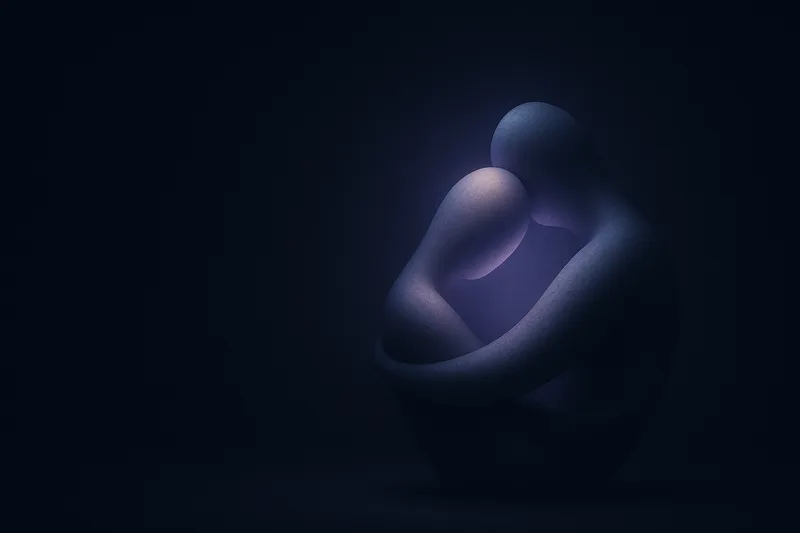
Hug Dreams: Meanings, Emotions, and How to Work With Them
Explore hug dream meaning with psychological, spiritual, and cultural angles. Learn how context, emotions, and relationships shape what a hug in dreams might suggest.
Explore hug dream meaning with psychological, spiritual, and cultural angles. Learn how context, emotions, and relationships shape what a hug in dreams might suggest.
Even when a dream uses bright symbols or dramatic scenes, the quiet power of a hug often lingers the longest. Touch can bypass our defenses. A dream hug might feel tender, protective, smothering, or suspicious, and those sensations can stick in the body like a memory.
People wake from hug dreams with tears, with a sense of relief, or with an ache they cannot name. Some say they could feel the weight of arms around them. Others recall the temperature of a room or the smell of a shirt. The mind stores those details for a reason. Dream meaning is not handed down from a dictionary. It grows from your relationship to the image and the life you are living.
This page keeps that complexity in view. A hug can point to comfort you seek, boundaries you need, repair after conflict, or the ghost of a goodbye. Sometimes it is a social snapshot of your day. Other times it is a deeper signal about attachment and trust. Meaning depends on who is hugging whom, whether it is welcome, and what your waking life is asking of you right now.
Rather than chase one interpretation, you will learn how to read the dream through your own emotional tone, life context, and the mechanics of the scene. You will also find cultural and spiritual frames that many people use, and practical steps to work with the dream.
Dreams About Hug: Quick Interpretation
If you need a fast read, start with how the hug felt and who was involved. A warm, mutual hug often reflects belonging or repair. A tight, awkward, or one-sided hug can point to pressure, boundary confusion, or ambivalence about closeness. When grief is active, a hug from a deceased loved one can offer comfort or invite mourning you have been postponing.
Dreams tend to borrow from recent experiences. A stressful day, an argument, a reunion, or even a touching scene on a show can prime hug imagery. Still, your dream is not a simple replay. It exaggerates, condenses, and arranges the scene as a message about your current needs and conflicts.
If you felt protected, the dream may be highlighting resources and support. If you felt trapped, it may be asking for clearer boundaries. If the hug came from an unexpected person, consider what part of yourself they represent, a quality you need, fear, or miss.
Most common themes:
- Desire for safety and reassurance
- Repair after conflict or misunderstanding
- Boundary setting, feeling smothered or overwhelmed
- Grief and continuing bonds with the dead
- Self-acceptance and inner reconciliation
- Yearning for intimacy after isolation or breakup
- A call to forgive, or to ask for forgiveness
- Ambivalence about dependence and independence
- Social or family roles being renegotiated
If you only remember one thing, follow the feeling in your body. It will guide you better than any symbol list.
How to Read a Hug Dream: The Three-Lens Method
Use three lenses to ground your interpretation.
Lens A, Emotional tone: What did the hug feel like in the moment and after you woke? Relief and warmth tell a different story than a stiff or reluctant embrace.
Lens B, Life context: Consider relationships, stressors, health, and big changes. A hug during grief means something different than a hug during a new romance or during burnout at work.
Lens C, Dream mechanics: Details matter. Who initiated the hug? Was it mutual? How long did it last? Where were you? What happened before and after? These mechanics point to agency, consent, and boundaries.
Questions to ask yourself:
- Did I welcome the hug, freeze, or pull away in the dream?
- Who hugged whom, and how does that echo our real dynamic?
- What quality did the hugger embody, strength, softness, forgiveness, control?
- Did the setting, a childhood home, office, hospital, or public place, change the meaning?
- Was the hug a surprise, or did I seek it out?
- What happened right after the hug, did something open up or shut down?
- Have I felt touch-starved or overwhelmed by others lately?
- Is there a conversation I have been avoiding that this hug hints at?
- If the hugger is deceased or distant, what unfinished feelings might be returning?
Psychology: Attachment, Boundaries, and Memory
Modern psychology views dreams as emotionally guided simulations. They help us rehearse responses, regulate feelings, and integrate memories. A hug is a condensed image of attachment and contact. It can be a signal about how safe you feel with others, and how you manage closeness versus autonomy.
Attachment and need: People with secure attachment often report warm or straightforward hug dreams during stable periods. When attachment anxieties rise, dreams can swing between longing and fear. A clinging hug may echo a fear of abandonment. A rigid or forced hug can mirror discomfort with dependence.
Boundaries and stress: During periods of overload, hug dreams sometimes depict being squeezed or held too long. The body communicates what words avoid. When you are lonely, the same symbol can feel like a balm, a reminder to seek connection.
Avoidance and ambivalence: A dream hug that gets interrupted or turns mechanical may reflect mixed feelings. You want closeness, but you also protect yourself. The dream stages the dilemma so you can feel it and perhaps move toward clarity.
Grief and continuing bonds: When someone dies, dreams often feature tactile contact. A hug from the deceased can ease the nervous system, and it can bring tears that support mourning. This is not a prediction or a message you must obey. It is the mind meeting loss with the language of touch.
Daily residue: The hug may be simple residue from media or life events, a reunion, a hallmark scene, or a tense embrace at work. Even then, the dream chooses what to keep because it fits a larger emotional pattern you are working through.
Here is a practical mapping table you can use when you review your dream.
| Dream feature | Often points to | Try asking yourself |
|---|---|---|
| Warm, mutual hug | Safety, belonging, repair | Where am I finding support right now? Can I lean into it more? |
| One-sided hug | Imbalance, unmet need, people pleasing | Where do I give more than I receive, or expect others to read my mind? |
| Too-tight or smothering hug | Boundary strain, overwhelm | What limit do I need to state kindly and clearly? |
| Interrupted or melting hug | Ambivalence, avoidance, grief surfacing | What am I half-allowing and half-resisting in my life? |
| Hug from a stranger | New qualities emerging, collective support | What does this person symbolize, and how might I try that quality? |
| Hug from the deceased | Grief, memory integration, reassurance | What memories want honoring, and what conversations remain inside me? |
Archetypal and Jungian Lens
From a Jungian perspective, which is one lens among many, dreams display archetypal patterns that shape personal stories. A hug can represent the meeting of opposites, the ego and the shadow, the conscious and the unconscious. The embrace hints at integration. Two parts of you that have been at odds might be coming together, or asking to.
If the hugger carries qualities you disown, boldness, tenderness, structure, or spontaneity, the dream may invite you to welcome that aspect. The hug is not a merger without boundaries. It is a symbolic handshake between parts, a permission slip to include rather than split off.
In anima or animus themes, the hug can feature a figure of the opposite sex who embodies qualities you are integrating. In same-sex hugs, you may be relating to a sibling archetype, a rival, or a mentor. The feeling tone tells you which archetype is active. A mentor-like hug offers guidance. A rival-like hug may be reconciliation after inner competition.
Shadow work appears when the hug feels both attractive and threatening. You may want what you also fear, closeness, rest, vulnerability. Rather than force an interpretation, notice where in life you could allow a bit more contact with what you avoid. Jungian work favors conversation with images. Write to the hugger in your journal and let it answer. See what values or warnings it brings.
Spiritual and Symbolic Meanings
Many people relate to hug dreams as signs of blessing, protection, or reconciliation at a soul level. Without insisting on a single truth, we can observe common symbolic threads. A hug gathers scattered parts. It says, I see you, and I will hold what you are carrying. In seasons of change, that can feel like an initiation into a softer strength.
If you maintain a spiritual practice, the hug might be a picture of being held by something larger, a community, a higher power, the natural world, or your own deeper self. When the hug comes from an unexpected figure, the symbol may suggest guidance arriving in a form your mind would not predict.
Rituals of change often include touch, laying on of hands, blessings, or shared embraces. Your dream might be staging a private ritual. Consider marking it in waking life with a small action, a letter of forgiveness, a simple ceremony, or by offering a real hug to someone you trust.
A helpful way to hold this dream: let the hug be a message about what deserves gentleness right now.
Cultural and Religious Overview
Hug meanings vary across cultures and faiths because touch has different social rules and spiritual associations. In some places, hugging is a daily sign of affection. In others, it is reserved for family or specific moments. Religious communities may view touch as a blessing, a boundary to honor, or an act shaped by tradition.
This section sketches broad themes used by many readers. It does not claim that all people in a tradition share the same view. When you interpret your dream, start with your own background and the meanings that feel true in your body. Symbols are shared, but your history with them is personal.
The following sections offer respectful summaries and angles you can consider, alongside questions that bring the dream back to your lived experience.
Christian and Biblical Perspectives
In many Christian contexts, a hug evokes fellowship, forgiveness, and compassion. Early Christian communities valued greeting with signs of peace. While the Bible does not focus on hugs as a symbol, it does highlight touch as healing and blessing. The image of the prodigal son embraced by the father is often read as a picture of welcome after estrangement. For some, a hug dream during guilt or confusion becomes a picture of grace, not license to avoid growth, but a reminder that being received can help change take root.
Church culture varies by region and tradition. In some congregations, hugs are part of social warmth. In others, handshakes or verbal blessings carry more weight. If your dream includes a hug inside a church or from a pastoral figure, consider the values of your community. Is the dream affirming a need for support, or pointing to a boundary you want to reinforce?
When the hug feels smothering, it may surface experiences of pressure to conform. A dream can hold both comfort and critique. You might be sorting out how to keep faith while staying honest about your needs and limits. If the hug is from a deceased elder, it might invite you to honor tradition while updating practices that fit your current season.
Common angles:
- Reconciliation after conflict or return
- Healing through compassionate presence
- Discernment around boundaries in community
- Blessing during transition or repentance
- Honoring ancestors and spiritual mentors
Islamic Perspectives
Within Muslim communities, dreams can be taken seriously as personal signs, while also weighed with prudence. Traditional scholars emphasize that not all dreams carry spiritual messages, some are personal thoughts or daily residue. Physical affection in dreams might be read through the lens of adab, appropriate conduct, and the ethics of intention.
A respectful hug in a family setting could symbolize mercy and kinship, values praised in many Islamic teachings. If you dream of hugging a close relative and feel calm, the image may affirm ties of the womb and the duty to maintain them. If the hug involves a non-mahram in a way that raises discomfort, the dream may be staging your internal dialogue about boundaries and modesty, not branding you as guilty. The emotional tone matters.
Dreams of deceased relatives offering an embrace can be experienced as comfort or as a call to prayer for them. Many people choose to recite or do charity in their memory after such dreams. None of this is a rule you must obey, rather, it is a way some choose to respond with care.
For a hug from a spiritual teacher or a figure of authority, focus on the message more than the form. Are you being encouraged to patience, to seek knowledge, or to repair a relationship? A dream hug that feels constricting might be an inner request to clarify boundaries while upholding respect.
Common angles:
- Strengthening family bonds and mercy
- Modesty and clear boundaries
- Comfort during tests, sabr and reliance on God
- Honoring the deceased with prayers or charity
Jewish Perspectives
Jewish thought treats dreams with caution and curiosity. Classical sources acknowledge dreams as mixed products of daily thoughts, anxieties, and occasional insights. A hug in a dream can be read through values of chesed, loving-kindness, and shalom bayit, peace in the home.
If the hug is between family members, it may reflect a desire for repair or simple affection. Jewish practice includes rituals that bring people together physically, from dancing at simchas to sitting close during mourning. In that light, a hug might mirror the need for presence during both celebration and grief.
When the hug feels off or invasive, the dream could be highlighting the ethical importance of boundaries and consent. Many communities keep clear norms around physical contact, especially across genders. Your dream may be your inner rabbi asking, what is kind, and what is wise, for these relationships?
Hugs from ancestors or revered figures can be moving. Some people choose to mark such dreams by learning in their memory, by writing a letter to the person, or by reaching out to family. The emphasis is on bringing kindness into action.
Common angles:
- Chesed and supportive community
- Honoring boundaries with care and respect
- Repairing family ties and making amends
- Integrating grief within tradition
Hindu Perspectives
Hindu traditions are diverse, yet many share a sense that dreams can reveal samskaras, impressions, and the play of mind. A hug may symbolize union, not only between people but between aspects of the self seeking balance. The mood of the dream matters. A serene embrace might suggest alignment with dharma, your right path, by connecting compassion with action.
If the hug involves a deity or a saintly figure, it may represent grace or the inward warmth of devotion, bhakti. Rather than treat this as a promise, some practitioners take it as encouragement to deepen practice, mantra, service, or ethical living. If the hug involves a person who triggers anxiety, the image could be showing attachment and aversion patterns, raga and dvesha, and a chance to meet them with awareness.
Family-centered hugs may echo the duty of care, especially in multigenerational households. Hugs that feel heavy or possessive can reveal entanglements. The dream might be asking for clearer boundaries, or for compassion without losing self-respect.
Common angles:
- Union of qualities, strength with softness
- Bhakti and grace experienced as warmth
- Family duty balanced with healthy limits
- Awareness of attachment and aversion
Buddhist Perspectives
Buddhist teachings approach dreams as mental phenomena that can mirror habit patterns. A hug can be read as contact fueled by intention and feeling. Compassion, karuna, is central. A dream of a gentle embrace may reflect the cultivation of loving-kindness, metta. The emphasis is not on decoding a fixed meaning, but on observing how the mind clings, resists, or opens.
When the hug feels grasping, the dream may be showing tanha, craving, or subtle clinging to comfort. You can meet this with curiosity, not self-judgment. When the hug feels stabilizing, it may display wholesome qualities taking root, patience, equanimity, and care. Either way, the practice is to wake up to the process, and then choose actions that reduce suffering.
If an enlightened figure or teacher appears and embraces you, some practitioners take this as the mind recognizing its own capacity for compassion. Others hold it lightly as a supportive symbol. A hug that becomes tight or dissolves can be a pointer to impermanence, even warm moments change, which encourages appreciation without attachment.
Common angles:
- Loving-kindness and compassion practice
- Seeing craving and clinging without shame
- Impermanence in affection and support
- Mindfulness of body sensations linked to emotion
Chinese Cultural Perspectives
In many Chinese communities, public displays of affection have traditionally been modest, though practices vary widely by region and generation. A hug in a dream might reflect changing norms, family roles, and the balance between collective duty and personal warmth. The setting, home, school, workplace, or ancestral spaces, often shapes the tone.
A gentle hug from an elder may symbolize respect, protection, and the transmission of family values. If you feel constrained by the embrace, the dream might be voicing pressure from expectations. If you feel nourished, it may signal strength drawn from lineage. Dreams of hugging a child can spotlight hopes and anxieties about education, safety, and future prosperity.
When the dream involves the deceased, the embrace can be experienced as continuity with ancestors. Some people respond by tending to ancestral rites or by paying respects in their own way. If the hug happens in a setting tied to exams or work, consider themes of achievement, face, and the need for encouragement or rest.
Common angles:
- Family duty and warmth, finding a workable balance
- Ancestral continuity and respect
- Pressure versus support in education and career
- Generational change in how affection is shown
Native American Perspectives
Native American traditions are deeply diverse, and any generalization would miss important differences. In many communities, dreams are meaningful and may be discussed in family or ceremonial settings. A hug in a dream could be seen through relational values, respect for kin, and connection to land and spirit. The meaning often depends on the specific nation, community practices, and family teaching.
For some people, an embrace from an elder or ancestor in a dream brings reassurance and a call to remember who you are and where you come from. It might invite you to take care of relationships, to listen more closely, or to contribute to community well-being. If the hug comes with a feeling of pressure, it might reflect the weight of responsibility or a need to set limits while honoring ties.
Dreams connected to healing practices sometimes feature touch as comfort or transmission of care. Others treat such images as personal messages not to be generalized. If a dream feels significant, many choose to speak with a trusted elder or cultural mentor rather than seek a generic reading online.
Common angles:
- Kinship and responsibility
- Guidance from ancestors or elders
- Balancing personal limits with community care
- Respecting local teachings about dreams and touch
African Traditional Perspectives
Across African cultures there is a wide range of views about dreams. Many communities hold that dreams can carry messages from ancestors, reflect social ties, or point to moral and practical concerns. A hug may be read as welcome, protection, or closeness, but interpretation depends on local customs, family history, and the context of the dream.
An embrace from an elder might signal approval or a reminder of obligations. For others, it could be a call to reconnect with family or to resolve a dispute. When a hug feels constricting, it may point to social pressures or expectations that need negotiation. A warm, mutual hug can be a picture of ubuntu, a sense of shared humanity.
Some people choose to respond with acts of remembrance, visiting family, tending to graves, or giving in community. Others see the dream as a personal reflection and respond by clarifying boundaries. Because practices differ, speaking with someone grounded in your own tradition can be helpful.
Common angles:
- Ancestors, memory, and responsibility
- Negotiating expectations and personal limits
- Ubuntu and community support
- Reconciling after conflict
Other Historical Lenses
In classical Greek literature, embraces often seal oaths, convey hospitality, or dramatize recognition scenes, as with long-awaited reunions. A dream of a hug, viewed through that lens, could symbolize reconciliation after separation or the binding nature of a promise.
Ancient Egyptian texts included dream manuals that assigned meanings to images, though interpretations varied. Touch could relate to favor or protection from deities, but these were bound to the cosmology of the time. Reading your dream today through a historical frame can be evocative, yet it should be adjusted to your life and ethics.
Medieval European stories often used embraces to depict forgiveness, fealty, or formal peace. The social meaning of a hug depends on codes of honor and hospitality that shift across eras. These historical patterns remind us that a hug is never only personal. It carries social and moral meaning shaped by the stories we inherit.
Scenario Library: Common Hug Dream Situations
Use these entries as springboards, not prescriptions. Follow the feeling and your life context.
Safety and Protection
Being hugged while you are scared
Common interpretation: The dream may be showing your system regulating after stress. A protective figure, friend, parent, partner, or even a stranger, offers containment. This can reflect real support you have or a part of you learning to self-soothe. If the hug comes just as a threat appears, the dream could be rehearsing a calmer response.
Likely triggers:
- A hard week or conflict
- News or media that spiked anxiety
- Physical exhaustion
- Therapy work opening emotions
Try this reflection:
- Who or what plays a regulating role in my life now?
- Can I ask for help more directly?
- What simple practice helps me calm down without numbing out?
Hugging a child you are protecting
Common interpretation: This often symbolizes caretaking energy. It can be your inner child, a real child in your life, or a project that needs gentle structure. The hug is a pledge to show up. If the child looks like you did in the past, consider what that age needed.
Likely triggers:
- Parenting stress or planning
- Creative projects needing attention
- Revisiting childhood photos or places
Try this reflection:
- What small way can I protect time for what matters?
- Where can I be firm and kind at the same time?
- What did I need at that age that I can offer myself now?
Boundaries and Pressure
A hug that is too tight or too long
Common interpretation: The body often uses this image for overwhelm. You may love someone and still need space. The dream is not accusing you, it is advocating for your limits.
Likely triggers:
- Caregiver burnout
- Work or family demands piling up
- People pleasing and difficulty saying no
Try this reflection:
- Where can I set one clear limit this week?
- What do I fear will happen if I say no?
- How can I state a boundary without blame?
Being hugged by someone you do not trust
Common interpretation: Your mind may be running a safety drill. You are weighing courtesy, survival strategies, and self-protection. The dream could also symbolize reconciling with a part of yourself you dislike, which takes caution and time.
Likely triggers:
- Office politics or social tension
- Family history with mixed signals
- Past betrayal resurfacing
Try this reflection:
- What warning signs do I tend to ignore?
- What would a safer interaction look like in real life?
- Who can help me reality-check my instincts?
Grief and Longing
Hugging a deceased loved one
Common interpretation: Many people experience this as comfort and a way the psyche maintains bonds. It can also surface unfinished grief. The hug might be a safe place to cry, or a reminder to honor a date or ritual.
Likely triggers:
- Anniversaries and holidays
- Handling belongings or listening to old voicemails
- Life milestones the person is missing
Try this reflection:
- What memory wants a place at the table this week?
- Is there a letter I need to write and keep?
- How can I include them in a small ritual of remembrance?
Reaching for a hug and the person fades
Common interpretation: The dream mirrors loss, fear of abandonment, or anxiety about disappointing others. It may also be showing the mind practicing acceptance, a hard but humane skill.
Likely triggers:
- Uncertain relationships
- Moves and transitions
- Past breakups being echoed by current events
Try this reflection:
- Where am I bracing against change?
- If I cannot stop it, how can I support myself through it?
- What sources of stability do I overlook?
Romance and Ambivalence
Hugging an ex-partner
Common interpretation: This often reflects integration rather than a command to reconnect. You may be reclaiming parts of yourself that were alive in that relationship. If the hug feels healing, it can mean closure. If it stirs old pain, it may ask you to review boundaries or patterns.
Likely triggers:
- Contact with the ex or social media reminders
- Starting to date again
- Comparing new relationships to old ones
Try this reflection:
- What did I give up that I want back, independent of the ex?
- What new standard do I want to set in future connections?
- If I reached out, what outcome would I actually want?
A workplace hug that feels complicated
Common interpretation: You might be navigating power, respect, and friendliness. The dream could be a rehearsal for asking clearly for what you need, appreciation, feedback, or space.
Likely triggers:
- Mixed boundaries at work
- A recent performance review
- Team bonding events
Try this reflection:
- What would professional warmth look like for me?
- Where do I need clarity on roles?
- Can I request communication in writing when needed?
Threat and Resolution
A hug stops a chase or attack
Common interpretation: Sometimes the dream flips the script. Instead of running, you turn and embrace the threat. This can symbolize integration of fear, or a decision to understand what chases you. The body learns that curiosity can reduce panic.
Likely triggers:
- Anxiety management efforts
- Therapy breakthroughs
- Confronting a hard conversation
Try this reflection:
- What happens if I approach rather than avoid this issue?
- Who could stand beside me while I do?
- What is the smallest first step?
Being bitten or hurt during a hug
Common interpretation: The dream may be warning about mixed signals or exploitation, or revisiting a betrayal. It can also reflect self-betrayal, saying yes to keep peace. If the bite shocks you awake, your nervous system is asking for protection.
Likely triggers:
- A recent deception or manipulation
- Difficult family dynamics
- Saying yes against your better judgment
Try this reflection:
- What promise to myself did I break?
- How will I recognize reciprocity next time?
- What boundary language can I rehearse now?
Scale and Numbers
Hugging many people at once
Common interpretation: Community themes are active. You might be seeking a network or feeling responsible for many. If it feels warm, you are resourced. If chaotic, you may be overextended.
Likely triggers:
- Weddings, reunions, group projects
- Volunteer or caregiving roles
- Social media overload
Try this reflection:
- Which relationships feed me, and which drain me?
- Where can I trade breadth for depth?
- What is one connection to nurture this week?
Hugging a giant or a very small person
Common interpretation: Scale symbolizes power and vulnerability. Embracing a giant can be contact with a big challenge or a protective force. Embracing someone tiny may represent tenderness toward fragility in yourself or others.
Likely triggers:
- Big goals or big fears
- Caring for a baby, pet, or delicate project
Try this reflection:
- What feels larger than life, and can I make a small agreement with it?
- What delicate thing needs steady, gentle care from me?
Settings and Communication
A hug at home, in bed, or in a childhood place
Common interpretation: The domestic setting emphasizes safety, memory, and formative bonds. A childhood home often brings early attachment patterns forward for review. In bed, the hug can be about rest and vulnerability, and whether you feel safe enough to let go.
Likely triggers:
- Visiting family
- Sorting childhood items
- Sleep disruptions or illness
Try this reflection:
- What did home teach me about touch and comfort?
- How does my sleep environment affect my sense of safety?
- What bedtime boundaries or rituals would help me now?
A hug at work or school
Common interpretation: The symbol moves from personal to social role. It might highlight teamwork, mentorship, or boundary confusion. If it feels awkward, consider professionalism and consent.
Likely triggers:
- Team stress or competition
- Teacher or supervisor dynamics
- Public recognition or embarrassment
Try this reflection:
- What is the respectful form of care in this setting?
- Where do I need to translate warmth into clear structure?
- What feedback loop would help the group?
A hug in water or near water
Common interpretation: Water enhances emotion. The hug may symbolize being held while you are submerged in feeling, grief, desire, or relief. If you fear drowning, you may need containment before diving into tough conversations.
Likely triggers:
- Emotional weeks
- Therapy or creative work
- Travel near oceans, lakes, or baths
Try this reflection:
- What container can I build for big feelings, time limits, a journal, a friend?
- What felt sense tells me I have had enough for today?
Someone Else’s Hug
Watching others hug
Common interpretation: You might be observing intimacy from a distance and gauging your comfort. It can activate envy, hope, or relief. The dream could be asking whether to move closer or to honor your current stance.
Likely triggers:
- Social gatherings
- Movies or media scenes
- Feeling like an outsider
Try this reflection:
- What would moving one step closer look like?
- If I prefer distance, what am I protecting?
- Do I want company or quiet right now?
Modifiers and Nuance
A few variables change the meaning of a hug dream.
Emotions: If you woke soothed, the dream may be consolidating safety. If you woke uneasy or angry, it may be surfacing a boundary issue.
Frequency: A single hug dream can be a passing signal. Recurring ones suggest an active theme around attachment, longing, or limits.
Lucidity and vividness: A vivid or lucid hug often marks strong emotion or current relevance. Some people use lucidity to ask for clarity, who are you, what do you want me to know?
Life contexts:
- After a breakup: Hugs often reflect repair inside yourself, and the reclaiming of qualities tied to the relationship.
- During grief: Hugs may support mourning and remind you of connection. They can be intense, handle gently.
- During pregnancy: Many dream of holding or being held. It can be about nesting instincts, body changes, and the need for steady support.
Colors and numbers: If colors stand out, treat them as personal. One hug can emphasize a key relationship or decision. Many hugs can emphasize community and obligations.
| Modifier | Tends to tilt meaning toward | Questions to explore |
|---|---|---|
| Woke peaceful | Integration, support, restoration | What helped me feel safe, and how can I repeat that? |
| Woke unsettled | Boundary tension, mixed signals | What limit or clarity is missing right now? |
| Recurring pattern | Ongoing attachment theme | What action would move this from dreaming to doing? |
| Lucid or hyper-real | High relevance, clear message | What did I learn, and how can I test it kindly in life? |
| After breakup | Self-repair and closure | What am I reclaiming as mine, separate from the ex? |
| During grief | Continuing bonds and mourning | What ritual or remembrance would support me now? |
| During pregnancy | Nesting, safety, responsibility | Who is on my support team, and what do they need from me? |
Children and Teens
Children tend to dream more literally. A hug might simply echo bedtime routines, cartoons, or a teacher’s encouragement. Teens often mix literal and symbolic content, especially around friendships and early romance. Both groups are sensitive to stress at school and changes at home.
How to talk with a child: Ask simple questions. Was the hug nice or not nice? Who was there? What happened before and after? Validate feelings. Avoid telling them the dream means something scary or fixed. Offer a calming routine, a favorite toy, a nightlight, a predictable bedtime.
For teens, respect privacy while inviting conversation. A hug that felt smothering could be about family rules or social pressure. A warm hug might reflect safe friendships or a supportive mentor. Encourage healthy boundaries and consent in all touch, and remind them it is fine to ask for space.
Checklist for caregivers:
- Keep questions open and non-leading
- Reflect the child’s words back to them
- Normalize both nice and not-nice dreams
- Reinforce consent and safety around touch
- Adjust bedtime for calm, less stimulating content
- Offer a comfort object or routine
- Model asking for and giving hugs with consent
Is a Hug Dream a Good or Bad Sign?
Symbolic thinking can slip into omen thinking. Dreams are not scorecards of fate. They are more like emotional weather reports. A hug can be a warm front or a pressure system. The value lies in how you use the information.
When the dream brings comfort, let it resource you. When it brings discomfort, treat it as feedback for boundaries or conversations. Either way, it is guidance, not a verdict.
| Scenario | Often experienced as | Common life theme |
|---|---|---|
| Warm hug from loved one | Good sign of support | Connection, repair, belonging |
| Tight, smothering hug | Stress signal | Boundaries, overload, people pleasing |
| Hug from deceased | Comforting or bittersweet | Grief, remembrance, continuity |
| Hug from untrusted person | Mixed or wary | Safety, power dynamics, discernment |
| Hug stopping a chase | Relief and courage | Facing fears, integration |
| Reaching for hug that fades | Sad or anxious | Loss, uncertainty, acceptance practice |
Practical Integration
Use the dream as a prompt for action rather than a label.
Journaling prompts:
- Describe the hug with sensory detail. Where did you feel it in your body?
- Write a dialogue with the hugger. Ask what they want you to know.
- If the hug was difficult, write the boundary you wish you had spoken.
- If the hug was comforting, list three ways to accept support this week.
Boundary-setting suggestions:
- Practice a one-sentence no that is kind and clear.
- Replace vague agreements with time-bound ones.
- Notice where you over-explain. Aim for simple statements.
Conversation prompts:
- Tell a trusted friend or partner one thing that helps you feel held.
- If repair is needed, say what you own, what you hope for, and what boundary you need.
Next-day plan checklist:
- Drink water and eat something steady
- Take a ten minute walk to settle your body
- Send one supportive message or ask for one
- Choose one boundary to practice today
- Do a short grounding exercise before bed
Treat the dream as data. Translate one insight into a small action within 24 hours. If it helps, keep it. If it does not, adjust. Meaning grows through practice.
Seven-Day Exercise
Day 1, Remember: Write the hug scene in detail. Note emotions during, after, and on waking. Circle one word that sums up the mood.
Day 2, Body check: Do a five minute body scan. Where do you store tightness or warmth? Try placing a hand there. Breathe for two minutes.
Day 3, Boundary practice: Write one boundary script. Say it aloud to the mirror. Keep it short and kind.
Day 4, Support map: List five people or places that help you feel held. Text one person. Schedule one supportive activity.
Day 5, Inner parts: Write from the voice of the hugger. Let it speak for five minutes without editing. Then respond as yourself.
Day 6, Ritual: Create a small act that honors the dream, light a candle, take a mindful bath, or write a thank-you note you may or may not send.
Day 7, Integration: Review the week. What changed, even slightly? Choose one habit to continue for the next month.
Reducing Recurring Nightmares About Hugs
If hug dreams feel threatening or invasive, you can work with them gently.
Sleep hygiene: Keep a steady schedule, cool and dark room, limited caffeine and alcohol late in the day. Reduce stimulating media close to bedtime, especially scenes with forced touch or high tension.
Grounding: A simple breath count, 4 in, 6 out, or placing a hand on your chest can calm the nervous system. Pair it with a phrase like, I am safe right now. My bed is solid. The night will pass.
Imagery rehearsal: While awake, rewrite the dream. Picture the hug becoming a handshake, or you stepping back and stating a boundary, or a trusted friend entering the scene. Rehearse this new version for a minute or two daily. Over time, many people find the nightmare softens.
Daily stress: Look for small levers to reduce load. Say no to one extra task. Ask for help. Unprocessed stress often intensifies dreams about pressure and proximity.
When to seek help: If the dreams are frequent, tied to trauma memories, or impairing your daily function, consider speaking with a therapist, counselor, or healthcare provider. Choose someone who is respectful of dreams and of your cultural and spiritual values.
Frequently Asked Questions
What does it mean when you dream about a hug?
Start with the feeling. A warm, mutual hug often reflects safety, support, or repair after tension. A tight or awkward hug can point to stress and boundary strain. The identity of the hugger matters because the dream may be echoing your dynamic with that person or what they symbolize.
Dreams also pull from recent experiences. A reunion, a touching scene on a show, or a hard day can prime hug imagery. Treat the dream as feedback about what you need more or less of, connection, rest, clarity, or distance.
Spiritual meaning of hug dream
Many people read a hug in spiritual terms as a sign of blessing, protection, or reconciliation at a soul level. If the embrace feels peaceful, you might be sensing support from a community, a higher power, or your deeper self. If it feels constricting, the dream may be asking for integrity, compassion with boundaries.
You can honor the dream with a simple ritual. Light a candle, offer a prayer, write a note of forgiveness, or extend a real hug to someone who needs it.
Biblical meaning of hug in dreams
The Bible does not offer a glossary for hug symbols, yet biblical stories value reconciliation and compassionate touch. Many Christians connect hug dreams with themes like welcome, forgiveness, and healing. If you saw a pastoral or parental figure, consider whether the dream is encouraging you to seek support, make amends, or rest in grace while still doing your part.
Discern by fruits. If the dream moves you toward patience, honesty, or peace with clear boundaries, it aligns with many Christian values.
Islamic dream meaning hug
Within Islamic perspectives, dreams can be meaningful but are weighed with care. A respectful family hug may symbolize mercy and kinship. If the hug involves a situation that raises modesty concerns, it may reflect your inner ethical dialogue rather than a verdict about you.
If an embrace from a deceased relative felt comforting, some choose to make dua for them or give charity in their name. Let the tone of the dream guide whether it points to seeking support, clarifying limits, or simply noting feelings.
Why do I keep dreaming about hugs?
Recurring hug dreams usually track an active theme in your life, attachment needs, boundary questions, grief, or social pressure. Your mind may be rehearsing how to ask for support or how to assert limits.
Check recent changes. Breakups, new jobs, caregiving, and losses often increase these dreams. A small real-life step, asking for help or setting a boundary, can reduce repetition.
Hug dream meaning during pregnancy
Pregnancy often brings more tactile dreams. Hugs can highlight nesting instincts, the need for steady support, and shifting identity. A comforting embrace may reflect the bond you are building. A tight or smothering hug can point to overwhelm and the need for practical help.
Consider simple supports. Clarify your support team, adjust rest routines, and practice saying yes and no based on energy rather than obligation.
Hug dream meaning after a breakup
After a breakup, hug dreams often show your inner system seeking repair. Hugging an ex can symbolize reclaiming parts of yourself that were active in that relationship. It does not necessarily mean you should reconnect.
Use the dream to name what you want to keep, and what you will not repeat. If the hug feels painful, let that confirm the boundaries you need while you heal.
I dreamed someone hugged me, but I felt trapped. What does that mean?
Feeling trapped during a hug points to boundary stress. You may love the person and still need space. The dream is not judging you. It is highlighting a tension between care and autonomy.
Practice one clear limit. Try a short statement without blaming. Notice if your body relaxes when you picture that change.
What if I hug a stranger in my dream?
A stranger often symbolizes a quality you need to develop or recognize. If the hug felt safe, perhaps you are ready to welcome a new trait, courage, softness, or patience. If it felt off, you might be sensing risk or confusion in a new situation.
Ask what you projected onto the stranger. Then test a small action that expresses the helpful quality, without overcommitting.
Does a hug from the dead mean they visited me?
Many people experience such dreams as contact. Others see them as the mind integrating grief and memory. Both views can be held with respect. What matters most is how the dream affects you.
If you felt comforted, let it support remembrance. If it stirred pain, consider a gentle ritual, writing a letter, sharing a story, or speaking with someone who understands grief.
Is a hug dream a bad omen?
Not usually. Dreams are closer to emotional weather than prophecy. A harsh hug may warn about pressure or unclear consent. A warm hug may highlight resources you can lean on.
Treat it as guidance. Translate it into one practical step, ask for support, set a limit, or rest. See how your day changes.
What should I do after this dream?
Write the details while they are fresh. Choose one small action within 24 hours, a boundary, a supportive reach-out, or a self-soothing routine. If the dream involves a difficult relationship, draft your words before you speak.
Revisit in a week. If the theme persists, consider deeper supports, therapy, a mentor, or trusted spiritual guidance.
Why did the hug feel real in my body?
Dreams can activate sensory and emotional networks strongly. Touch is a primary regulator of the nervous system, so the body can register a dream hug as real. Vividness often tracks relevance or intensity of emotion.
If the sensation lingers, try a grounding practice. Name five things you can see, four you can touch, three you can hear, two you can smell, one you can taste.
What if I watched others hug but did not join?
Watching from a distance can mirror ambivalence. You might be gauging whether to move closer or to keep space while you recover energy. It can also reflect a sense of exclusion.
Ask what one step closer would look like. If you choose distance, do it consciously and with care for yourself.
Can hug dreams be about forgiveness?
Yes, many people find hug dreams arrive when they are weighing forgiveness or apology. The dream sets the stage for contact. Forgiveness does not remove accountability. It may simply release you from carrying a hot coal.
If the dream points toward repair, choose a paced approach. Start with clarity about your needs and limits.
What does a hug in water mean?
Water amplifies emotion. A hug in water often shows being held while feelings are big. If it feels calm, you may be learning to float with support. If it feels like drowning, you may need more structure before diving into heavy talks.
Create a container, time limits, a trusted listener, or a grounding practice to hold the feelings.
How do cultural norms affect hug dreams?
If hugging is rare in your culture, a dream hug can feel bold or transgressive. If it is common, the symbol may be more about who and how. Religious or family rules also shape the tone, whether the embrace feels encouraged, private, or restricted.
Interpret within your own norms. Ask which values the dream affirms and which tensions it highlights.
Is hugging an ex in a dream a sign we should get back together?
Not necessarily. Dreams often integrate memory and emotion. Hugging an ex can mean you are reclaiming parts of yourself. It can also signal unfinished boundaries. Treat it as a reflection, not a directive.
If you consider contact, clarify your reasons and your expectations. Let your present values lead, not nostalgia alone.
Can I change a recurring hug nightmare?
Yes. Imagery rehearsal can help. While awake, rewrite the scene so you step back, state a boundary, or invite a trusted ally. Rehearse this version briefly each day. Over time, many find the dream softens or shifts.
Pair this with daytime boundary practice. The nervous system learns best when night and day send the same signal.